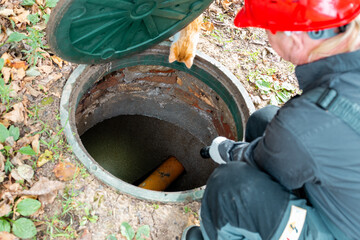
Many parts of a home demand attention on a regular basis. Roofs require inspections, heating systems need maintenance, and plumbing fixtures occasionally need repair. Yet one of the most important systems in a home often goes unnoticed because it operates underground. The septic system quietly manages wastewater every day without drawing much attention from homeowners.
Because it works behind the scenes, many people rarely think about the septic system until a problem appears. At that point, homeowners may begin asking questions about septic service and the costs associated with maintaining the system. Understanding septic service cost is an important step in protecting both the home and the environment. Septic maintenance is not simply an optional task. Regular Septic Service Fresno helps prevent costly damage, protects groundwater, and ensures that wastewater is treated properly. By learning what influences septic service costs, homeowners can prepare for routine maintenance and avoid unexpected repairs.
How Septic Systems Function in a Home
A septic system is designed to treat and manage wastewater generated from household activities. Every time water flows through sinks, showers, washing machines, or toilets, that wastewater travels through pipes that lead to an underground septic tank.
Inside the tank, wastewater separates into different layers. Solid materials settle at the bottom and form a layer known as sludge. Oils and lighter substances float to the top and create a layer known as scum. Between these layers lies partially treated liquid wastewater.
Natural bacteria inside the tank begin breaking down organic matter. After this initial treatment process, the liquid wastewater flows into the drain field where it gradually filters through the surrounding soil.
The soil acts as a natural treatment system that removes harmful substances before the water returns to the environment. When the septic system is maintained properly, this process occurs continuously and efficiently.
Why Regular Septic Service Is Necessary
Septic systems are designed to operate for many years, but they require periodic maintenance to remain effective. As wastewater flows into the tank each day, solid materials gradually accumulate inside.
Over time the sludge and scum layers become thicker. If the tank is not serviced regularly, these layers can grow to a point where they interfere with the separation process. When this happens, solids may escape into the drain field.
Once solids enter the drain field, they can clog the soil and prevent proper drainage. This may lead to wastewater backing up into the home or pooling in the yard. These problems can be expensive and difficult to repair.
Routine septic service prevents this situation by removing accumulated waste from the tank before it reaches critical levels. Maintenance helps the system continue functioning efficiently while protecting surrounding soil and groundwater.
Factors That Influence Septic Service Cost
The cost of septic service can vary depending on several factors related to the system and the property. One of the most significant factors is the size of the septic tank. Larger tanks hold more wastewater and may require additional time and equipment to service.
The location of the tank can also affect the cost. Tanks that are easily accessible are typically simpler to service. If the tank is buried deeply or difficult to locate, additional labor may be required before maintenance can begin.
The condition of the septic system also plays a role in determining service costs. Tanks that have not been serviced for long periods may contain thicker sludge layers that require more extensive cleaning.
Household size and water usage patterns also influence maintenance needs. Homes with larger families or higher water usage often require more frequent septic service.
By considering these factors, homeowners can better understand why septic service costs may differ from one property to another.
The Septic Tank Pumping Process
One of the most common septic services is tank pumping. This process involves removing the accumulated sludge and scum layers from the tank to restore proper capacity.
During pumping, specialized equipment is used to extract waste from the tank and transport it to an appropriate treatment facility. Removing this material allows the tank to continue separating solids from wastewater effectively.
Pumping also provides an opportunity to inspect the interior of the tank. Technicians may check for cracks, leaks, or structural issues that could affect system performance.
The time required for pumping depends on the size of the tank and the amount of waste present. Regular pumping helps maintain the proper balance inside the septic system and prevents solids from entering the drain field.
Inspection and Maintenance Services
In addition to pumping, septic service often includes inspections that evaluate the overall condition of the system. Inspections help identify potential problems before they develop into serious failures.
During an inspection, technicians may examine the inlet and outlet pipes connected to the septic tank. These pipes must remain clear so wastewater can flow smoothly into and out of the tank.
The drain field is another critical component that may be evaluated during service. Technicians may look for signs of soil saturation or poor drainage that could indicate underlying issues.
Routine inspections can also detect early warning signs such as slow wastewater movement or minor blockages. Addressing these issues early can help avoid larger and more expensive repairs later.
Additional Services That May Affect Cost
Some septic systems require additional services depending on their condition and the environment surrounding them. For example, systems that show signs of blockage may require pipe cleaning to restore proper wastewater flow.
Drain field maintenance may also be necessary if soil conditions begin to restrict water absorption. Maintaining healthy soil conditions helps ensure that wastewater continues filtering properly.
In certain cases septic systems may require repairs to components such as baffles, lids, or distribution boxes. These repairs may add to the overall cost of septic service but are essential for maintaining proper system function.
Each of these services contributes to the long term performance of the septic system and may be recommended based on inspection findings.
Long Term Value of Septic Maintenance
Although septic service involves an ongoing cost, routine maintenance offers long term benefits that can protect homeowners from larger expenses. Preventive care helps extend the lifespan of the septic system by keeping all components functioning properly.
Regular pumping and inspection reduce the risk of system failure, which can lead to costly repairs or even complete system replacement. Maintaining the system also helps protect the surrounding environment by preventing untreated wastewater from entering soil and water sources.
Another advantage of regular maintenance is the prevention of household disruptions. A well maintained septic system operates quietly and efficiently without causing unpleasant odors or drainage problems.
By investing in routine septic service, homeowners can preserve the reliability of their wastewater system for many years.
Planning for Septic Service in Home Maintenance
Homeowners who rely on septic systems often include septic service as part of their regular home maintenance schedule. The recommended frequency of service varies depending on tank size and household water usage.
Smaller households may require pumping less frequently, while homes with larger families may need service more often. Monitoring water usage and maintaining responsible habits can also help extend the time between service visits.
Proper septic care includes avoiding excessive water discharge, limiting the disposal of non biodegradable materials, and maintaining a healthy balance of bacteria within the tank.
By planning ahead for septic maintenance, homeowners can manage service costs while protecting the long term performance of their system.
Conclusion
Septic service cost depends on several factors including tank size, system condition, accessibility, and the type of maintenance required. While the cost of routine service may vary, regular maintenance is essential for protecting the performance of the septic system.
Routine pumping, inspections, and preventive care help ensure that wastewater is treated safely and efficiently. These services prevent solids from clogging the drain field and reduce the risk of system failure.
By understanding what influences septic service costs and planning for regular maintenance, homeowners can protect both their property and the surrounding environment. A properly maintained septic system provides reliable wastewater management and helps maintain a clean and healthy living space for years to come.